William Meyer

Where Are Citizen Watches Made? Global Craftsmanship Explained

citizen watch manufacturing locations

When you think of Citizen watches, you might picture a timeless elegance that transcends borders. However, their craftsmanship isn’t limited to just one location. With roots deeply embedded in Japan, Citizen combines traditional techniques with modern advancements from various global hubs. Curious about how this international approach shapes the quality and design of these timepieces? Let’s explore the intricate world of Citizen’s manufacturing and the artistry behind each watch.

The Origins of Citizen Watches in Japan

Although Citizen Watches has become a global icon, its roots trace back to Japan in 1918, when it was founded by a group of visionary entrepreneurs. They aimed to create high-quality timepieces that would be accessible to everyone.

You’ll find that this focus on affordability and craftsmanship laid the groundwork for Citizen’s reputation. By incorporating innovative techniques and technology, the brand quickly gained recognition for its precision and reliability.

The introduction of the first-ever quartz watch in 1976 revolutionized the industry, showcasing Citizen’s commitment to pushing boundaries.

As you explore Citizen’s history, you’ll see how this blend of tradition and innovation has helped shape the brand into what it’s today, making it a staple in the world of horology.

Manufacturing Hubs Around the World

Citizen Watches has established multiple manufacturing hubs around the world, each contributing to its reputation for quality and precision.

In Japan, you’ll find the heart of Citizen’s craftsmanship, where intricate designs and advanced technology come together. Switzerland also plays a crucial role, known for its traditional watchmaking skills that enhance the brand’s luxury appeal.

Additionally, Citizen has facilities in China and other countries, where efficient production methods help maintain competitive pricing without sacrificing quality.

These hubs work in harmony, sharing expertise and innovation to create timepieces that cater to diverse markets. By leveraging global resources, Citizen ensures that every watch meets its high standards, allowing you to enjoy both style and reliability in every piece.

The Art of Japanese Watchmaking

When you think of precision timekeeping, the art of Japanese watchmaking undoubtedly stands out, showcasing a blend of tradition and innovation.

You’ll find that Japanese artisans masterfully combine centuries-old techniques with modern technology, ensuring each timepiece reflects unparalleled craftsmanship. They focus on meticulous attention to detail, emphasizing quality and durability.

You’ll appreciate how Japanese watchmakers prioritize functionality without sacrificing aesthetics, creating watches that are both reliable and visually stunning. The use of high-quality materials, like stainless steel and sapphire crystal, further enhances their reputation.

As you explore the intricate movements inside these watches, you’ll recognize the dedication and passion that goes into every piece. This commitment to excellence has positioned Japanese watchmaking as a leader in the global watch industry.

Global Partnerships and Collaborations

As global markets evolve, watchmakers increasingly seek partnerships and collaborations that enhance their reach and innovation.

By connecting with other brands and experts, they can tap into diverse skills and technologies that elevate their craftsmanship.

Here are some ways these collaborations manifest:

  • Technology Sharing: Combining expertise in materials and mechanics.
  • Design Collaborations: Partnering with renowned designers for unique aesthetics.
  • Cultural Exchanges: Learning from global traditions to enrich watchmaking techniques.
  • Joint Marketing Efforts: Leveraging each other’s brand strengths to attract a wider audience.

These alliances not only broaden the appeal of watches but also foster a spirit of creativity and collaboration within the industry, ensuring that each piece is a testament to global craftsmanship.

Maintaining Quality and Innovation Across Borders

While striving to maintain high standards in craftsmanship, watchmakers face the challenge of ensuring quality and innovation across diverse markets. You’ll find that Citizen watches embody this commitment through rigorous quality control processes and advanced technology.

By integrating traditional techniques with modern advancements, they create timepieces that resonate globally. Each watch undergoes meticulous testing, ensuring that regardless of where it’s made, it meets the same excellence.

Collaborations with international artisans also foster fresh ideas and creative solutions, keeping the brand at the forefront of innovation. Citizen’s dedication to sustainability and eco-friendly practices further enhances its reputation.

Ultimately, you can trust that every watch reflects a perfect blend of quality and innovation, no matter the origin.

Conclusion

In conclusion, Citizen watches epitomize the perfect fusion of global craftsmanship, from the heart of Japan to state-of-the-art facilities worldwide. This unique blend ensures you get a timepiece that’s not just a watch, but a masterpiece of innovation and tradition. With rigorous quality control and a commitment to excellence, every Citizen watch is a testament to the art of horology. So, when you wear one, you’re not just telling time; you’re wearing a piece of history on your wrist!
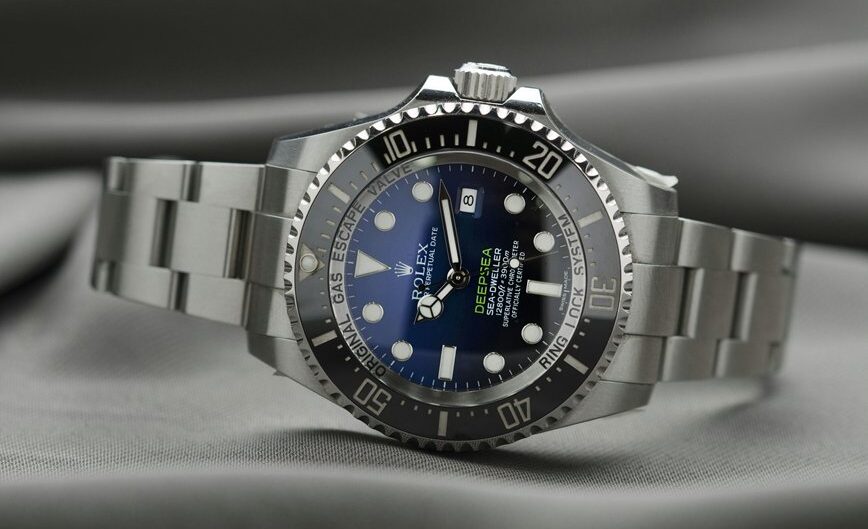
Why Are Rolex Watches So Expensive? What Drives the Price Tag

rolex watch pricing factors

When you think about Rolex watches, you might wonder why they come with such a hefty price tag. It’s not just about luxury; it’s a blend of heritage, craftsmanship, and prestige that drives their value. Each piece tells a story of innovation and exclusivity. But what exactly makes these timepieces so desirable and, ultimately, so expensive? The answer lies in several key factors that elevate Rolex beyond mere accessories.

The Heritage of Rolex: A Legacy of Excellence

When you think about luxury watches, Rolex often stands out as a symbol of prestige and craftsmanship. This brand carries a rich heritage, rooted in innovation and excellence. Founded in 1905, Rolex revolutionized watchmaking with its groundbreaking features like the first waterproof watch, the Oyster, and the self-winding mechanism, the Perpetual.

These innovations helped establish Rolex as a leader in the luxury watch market.

Rolex’s commitment to quality is evident in every timepiece, ensuring durability and precision. As you wear a Rolex, you’re not just sporting a watch; you’re embracing a legacy that embodies success and achievement.

This storied history and the brand’s unwavering dedication to excellence contribute significantly to the high prices, making each piece not just a watch, but an investment in history.

Masterful Craftsmanship: The Art of Watchmaking

Masterful craftsmanship defines the essence of Rolex watches, showcasing an extraordinary blend of artistry and engineering. When you wear a Rolex, you’re not just donning a timepiece; you’re embracing a work of art meticulously created by skilled artisans.

Each watch undergoes rigorous testing and assembly, ensuring accuracy and durability that few other brands can match. Rolex’s commitment to precision is evident in the intricate movements and mechanisms that power every model.

You’ll find that the assembly process often involves hundreds of components, each crafted with care. Every detail, from the case to the dial, reflects a dedication to perfection. This level of craftsmanship isn’t just about telling time; it’s about creating a legacy you can wear on your wrist.

High-Quality Materials: The Building Blocks of Luxury

Rolex watches aren’t only feats of engineering but also masterpieces crafted from high-quality materials that elevate their luxury status.

When you invest in a Rolex, you’re choosing timepieces made from 904L stainless steel, renowned for its resistance to corrosion and exceptional shine. The gold used in Rolex watches is 18-karat, ensuring durability and a distinct brilliance that stands out.

Additionally, Rolex employs sapphire crystal for its scratch-resistant qualities, keeping your watch looking pristine. Each material is carefully selected to not just enhance aesthetics but also ensure longevity.

This commitment to using the finest materials contributes significantly to the brand’s reputation and the price tag you see. It’s a blend of luxury and practicality that truly defines Rolex.

Innovative Technology: Pioneering Timekeeping

While many luxury watch brands focus on aesthetics, Rolex sets itself apart by integrating groundbreaking technology into its timepieces.

You’ll find that each Rolex isn’t just a watch; it’s a marvel of engineering designed for precision and durability. Their commitment to innovation ensures you’re not only wearing a luxury item but also a reliable instrument.

Here are three technological advancements that make Rolex stand out:

  1. Chronometer Certification: Each watch undergoes rigorous testing, ensuring accuracy to within a few seconds per day.
  2. Oyster Case: This innovative design provides water resistance, allowing you to explore without worry.
  3. Perpetual Movement: The self-winding mechanism keeps your watch powered, so you’re always on time, effortlessly.

With Rolex, you’re embracing both style and superior technology.

Limited Production: Scarcity and Exclusivity

When you think about luxury watches, the limited production of Rolex models adds a layer of scarcity and exclusivity that few brands can match.

Rolex intentionally restricts the number of watches it produces each year, creating a sense of urgency among collectors and enthusiasts. This scarcity drives demand, making owning a Rolex not just a matter of purchasing a timepiece, but rather acquiring a coveted status symbol.

You’re not just buying a watch; you’re investing in something rare.

The limited availability means that certain models become highly sought after, often appreciating in value over time. This exclusivity enhances the allure, making each Rolex feel unique and special, reinforcing why these watches command such high prices.

Iconic Design: Timeless Aesthetics

The allure of Rolex watches goes beyond their limited production; it also lies in their iconic design. Each piece reflects timeless aesthetics that resonate with watch enthusiasts and collectors alike. You can’t help but be captivated by the perfect blend of elegance and functionality.

Here’s what makes their design truly unforgettable:

  1. Classic Silhouettes: From the Oyster Perpetual to the Submariner, each model showcases a distinct shape that has stood the test of time.
  2. Luxurious Materials: Rolex uses only the finest materials, ensuring each watch not only looks stunning but also endures.
  3. Attention to Detail: Every element, from the crown to the dial, is meticulously crafted, showcasing a level of precision that elevates these watches to art.

This iconic design makes Rolex a symbol of success.

Brand Prestige: The Power of Reputation

Reputation plays a crucial role in the allure of Rolex watches, elevating them beyond mere timepieces to symbols of status and achievement. When you wear a Rolex, you’re not just telling time; you’re making a statement.

This brand prestige stems from decades of excellence, innovation, and a commitment to quality. Rolex watches have been worn by influential figures, reinforcing their desirability and exclusivity. Each watch embodies a legacy, making you feel part of an elite circle.

The meticulous craftsmanship and attention to detail further enhance the brand’s reputation. You’ll find that owning a Rolex isn’t just about the watch itself; it’s about embracing a lifestyle and a narrative that few can claim.

It’s a powerful emblem of success.

Resale Value: An Investment Worth Making

While many luxury items depreciate over time, Rolex watches often appreciate in value, making them a smart investment.

When you choose a Rolex, you’re not just buying a watch; you’re investing in a legacy.

Here are three reasons why a Rolex can be an emotional and financial asset:

  1. Timeless Craftsmanship: Each Rolex is meticulously crafted, representing years of tradition and expertise.
  2. Limited Availability: Many models are produced in limited quantities, creating rarity that drives up demand and value.
  3. Status Symbol: A Rolex isn’t just a watch; it’s a statement that reflects success and sophistication.

Endorsements and Celebrity Influence

When celebrities don a Rolex, it not only enhances their image but also elevates the brand’s prestige in the eyes of the public. You can’t underestimate the power of celebrity endorsements.

When a star is spotted wearing a Rolex, it sends a message that the watch is synonymous with success and luxury. This association drives demand, making you more likely to want one for yourself.

Social media amplifies this influence, with fans eager to emulate their favorite icons. You might find yourself eyeing that coveted model after seeing it on a red carpet or in a blockbuster film.

Ultimately, celebrity influence isn’t just about fashion; it’s a major factor in why Rolex watches command such high prices.

The Rolex Community: A Cult Following

The Rolex community is more than just a group of watch enthusiasts; it’s a passionate cult following that celebrates the craftsmanship and heritage of these iconic timepieces.

When you wear a Rolex, you’re not just sporting a watch; you’re joining a legacy that resonates deep within the hearts of its fans. The bond among collectors transcends mere ownership, creating a sense of belonging and pride.

Here are three reasons why this community is so special:

  1. Shared Stories: Each Rolex has a story, often passed down through generations, creating emotional connections.
  2. Exclusive Events: Members gather at exclusive meet-ups, fostering friendships and camaraderie.
  3. Knowledge Exchange: Enthusiasts share insights, tips, and experiences, enriching everyone’s appreciation of these watches.

Conclusion

In the world of luxury watches, owning a Rolex is like holding a piece of history on your wrist. Just as a fine wine appreciates with age, so too do these timepieces, often increasing in value over the years. When you invest in a Rolex, you’re not just buying a watch; you’re becoming part of an elite community that values precision, craftsmanship, and heritage. So, whether you wear it daily or keep it safe, a Rolex is always a worthy investment.

Who Watches the Watchmen? Meaning, History, and Cultural Relevance

accountability of authority figures

In a world where power is a double-edged sword, the question “Who watches the watchmen?” resonates deeply. It challenges you to consider the balance of authority and accountability. From Juvenal’s ancient critiques to contemporary dilemmas, this phrase has evolved significantly. As you explore its meaning and cultural relevance, you’ll uncover layers of moral complexity that continue to shape our understanding of governance and ethics today. What insights will you discover about oversight in our society?

The Origin of the Phrase: Juvenal’s Satire

The phrase “Who watches the watchmen?” has its roots in the satirical works of the Roman poet Juvenal. In his Satires, Juvenal critiques the moral decay of society, questioning who holds those in power accountable.

You’ll find this idea resonates deeply with contemporary discussions about authority and oversight. Juvenal’s sharp wit challenges you to think critically about the guardians of justice and the potential for corruption among them.

His work reflects a timeless concern: if those tasked with upholding values fail, who ensures they’re kept in check? This query has sparked debates throughout history, urging you to consider the nature of power and responsibility.

It’s a call to vigilance that remains relevant in today’s world.

The Evolution of Accountability in Governance

Accountability in governance has evolved significantly since Juvenal’s time, reflecting changing societal values and expectations. You can see this shift through historical milestones, like the establishment of democratic principles and the rise of civil society.

Governments now face pressure from citizens demanding transparency and ethical conduct. With the advent of technology, you’ve got tools like social media and open data initiatives that empower you to hold leaders accountable in real-time.

Today, whistleblower protections and independent watchdog organizations play crucial roles in ensuring that those in power are answerable for their actions. As you navigate these developments, it’s clear that the expectation for accountability continues to grow, reshaping how governance operates in your society.

“Watchmen”: A Cultural Milestone in Graphic Novels

“Watchmen” stands as a defining moment in the evolution of graphic novels, shifting perceptions of the medium from mere entertainment to a serious art form.

You can see how it intertwines complex storytelling with rich character development, engaging readers in ways traditional comics rarely did. Its exploration of moral ambiguity and the consequences of power challenges you to reconsider what heroes truly represent.

The intricate artwork complements the narrative, enhancing your emotional connection to the characters. As you delve into its pages, you’ll encounter themes that resonate with societal issues, making it relevant across generations.

Philosophical Perspectives on Power and Oversight

In exploring the depths of “Watchmen,” you encounter not just a tale of heroes and villains, but a profound examination of power and oversight.

The narrative challenges you to question who truly holds authority and the ethical implications of that power. As you delve into the characters’ motivations, you realize that even the noblest intentions can lead to corruption.

The story invites you to reflect on the delicate balance between security and freedom, urging you to consider the consequences of unchecked power. Each character embodies different philosophical perspectives, from utilitarianism to deontological ethics, pushing you to think critically about the moral dilemmas that arise when individuals take it upon themselves to enforce order.

Ultimately, it’s a call to vigilance.

Historical Examples of Unchecked Authority

When authority goes unchecked, history often bears witness to the consequences, as seen in various regimes throughout the ages.

Take, for example, the rise of totalitarian states like Stalin’s Soviet Union or Hitler’s Nazi Germany. In each case, leaders wielded immense power without accountability, leading to widespread oppression and atrocities.

You can observe similar patterns in more recent events, like the authoritarian regimes in North Korea and Venezuela, where dissent is crushed and human rights violations are rampant.

These examples illustrate the danger of allowing power to operate without oversight. When citizens fail to question authority, they risk enabling tyranny, demonstrating the critical need for vigilance and accountability in governance to prevent history from repeating itself.

The Role of Media in Holding Power Accountable

Unchecked authority often flourishes in the absence of scrutiny, making the role of media vital in maintaining accountability.

You rely on investigative journalism to expose corruption, abuse, and malpractice. When the media shines a light on power, it encourages transparency and fosters public trust. Reporters ask tough questions, uncover hidden truths, and give a voice to the marginalized, ensuring that those in power remain answerable.

Social media amplifies these efforts, allowing citizens to share information quickly and widely. This decentralized approach can mobilize communities, prompting action against injustice.

Contemporary Relevance in Politics and Leadership

As media continues to evolve, its role in contemporary politics and leadership remains crucial, reflecting society’s demands for transparency and accountability.

You see, today’s leaders aren’t just scrutinized by traditional outlets; social media platforms amplify voices, making it harder for them to hide. When you engage with news, you’re part of a dynamic system that keeps politicians in check.

This constant flow of information empowers you to question authority and demand ethical behavior. Moreover, leaders must adapt their communication strategies, often facing backlash for missteps almost instantly.

In this environment, the stakes are high, and accountability becomes an expectation rather than an exception. Your active participation in this discourse fosters a stronger, more engaged democracy.

The Impact of Social Movements on Accountability

Social movements play a pivotal role in holding leaders accountable, especially in an era where public awareness and participation are at an all-time high.

When you engage with these movements, you become part of a collective voice demanding transparency and justice. Grassroots efforts often shine a light on corruption and inequality, pushing leaders to respond to the demands of the people.

Social media amplifies these messages, making it harder for those in power to ignore public outcry. As you participate, you contribute to a culture of accountability that challenges the status quo.

Artistic Representations of Power Dynamics

While art often reflects the complexities of power dynamics, it also serves as a vital tool for critique and commentary.

You’ll find that various artistic mediums, from literature to visual art, challenge societal norms and expose the structures of authority. For instance, graphic novels like “Watchmen” illustrate how heroes can embody or subvert power, prompting you to question who truly holds authority.

Similarly, films and theater explore these themes, revealing the often murky relationships between oppressors and the oppressed. By engaging with these works, you gain insight into how power operates and is contested.

Ultimately, artistic representations invite you to reflect on your own relationship with authority and inspire you to consider the implications of power in your everyday life.

Future Implications: Ensuring Oversight in Modern Society

Artistic representations of power not only reflect societal norms but also prompt discussions about the future of authority and oversight.

As you navigate modern society, consider how technology and governance intersect. You’ve seen the rise of surveillance, data collection, and the complexities of digital privacy.

It’s crucial to advocate for transparency and accountability. Engage in conversations about ethical standards and the importance of independent oversight bodies.

You can support policies that empower citizens and hold institutions accountable. Emphasizing education about rights and responsibilities can foster a more informed public.

Conclusion

So, who really watches the watchmen? It’s a question that echoes through the ages, demanding your attention like a superhero in a cape flying overhead. In a world where power can corrupt faster than you can say “transparency,” it’s up to you to hold the mighty accountable! With every social movement and every brave voice, we’re rewriting the narrative. Don’t just stand by—be the force that ensures our leaders don’t become the very tyrants they’re meant to protect us from!

Where Are Bulova Watches Made? Modern Production Explained

bulova watches manufacturing locations

Did you know that Bulova watches combine the precision of Japanese craftsmanship with the luxury of Swiss tradition? This unique blend results in timepieces that stand out in quality and design. But what exactly goes into the production of these watches? Understanding where and how Bulova watches are made reveals much about their reputation and reliability. Let’s explore the fascinating details behind their manufacturing process.

The History of Bulova: From New York to Global Reach

Although Bulova started as a small watch shop in New York City in 1875, it quickly transformed into a global powerhouse in the watchmaking industry.

You’ll discover that Bulova’s innovative spirit set it apart from competitors. In 1926, the brand introduced the first fully electronic watch, showcasing its commitment to technology and precision.

By the mid-20th century, Bulova expanded its reach, becoming synonymous with quality and style. You might be surprised to learn that its advertising strategies, including the iconic “Bulova Watch” jingle, helped establish a strong emotional connection with consumers.

Today, Bulova continues to honor its rich heritage while embracing modern design and craftsmanship, ensuring that each watch reflects a legacy of excellence that resonates with watch enthusiasts around the globe.

Manufacturing Locations: Where Bulova Watches Are Crafted

When it comes to crafting exceptional timepieces, Bulova’s manufacturing locations play a crucial role in maintaining quality and precision.

You’ll find that Bulova’s watches are primarily produced in Japan and Switzerland, each known for their meticulous craftsmanship and attention to detail. In Japan, skilled artisans create movements that are both reliable and innovative, embodying Bulova’s commitment to excellence.

Meanwhile, Switzerland, often regarded as the heart of watchmaking, adds a touch of luxury and tradition to Bulova’s high-end models. By sourcing production from these prestigious locations, Bulova ensures that every watch meets stringent quality standards.

The Role of Technology in Bulova Watch Production

As technology continues to evolve, Bulova harnesses its power to enhance both the craftsmanship and functionality of its watches.

You’ll notice the integration of advanced manufacturing techniques, such as computer-aided design (CAD) and automated assembly processes, which streamline production and improve precision. These innovations allow Bulova to maintain high-quality standards while also reducing production time.

Moreover, Bulova employs cutting-edge materials, like lightweight ceramics and durable stainless steel, ensuring that your watch is both stylish and resilient.

The use of technology extends to quartz movements, delivering exceptional accuracy. With smart technology features in some models, you can enjoy connectivity and modern functionalities right on your wrist.

Craftsmanship: The Human Touch Behind the Machines

While technology plays a crucial role in Bulova’s production process, it’s the skilled artisans behind the scenes who truly elevate each timepiece.

These craftsmen and craftswomen apply their expertise to every detail, from assembling intricate movements to polishing the final product. You’ll find that their hands create the character and uniqueness that machines can’t replicate.

Each watch is more than just a mechanical marvel; it’s a blend of artistry and precision. The human touch ensures that every component fits perfectly, and each design reflects Bulova’s commitment to quality.

As you wear your Bulova, remember that it carries a piece of this craftsmanship, where tradition meets innovation, creating not just a watch but a legacy of excellence.

Quality Control: Ensuring Excellence in Every Timepiece

To guarantee every Bulova watch meets the highest standards, a rigorous quality control process is in place. Each timepiece undergoes meticulous testing to ensure precision, durability, and functionality.

You’ll find that watches are subjected to various assessments, including movement accuracy checks and water resistance tests. The team inspects every component, from the intricate movements to the finishing touches, ensuring nothing is overlooked.

Once assembled, watches are further evaluated for aesthetic quality and craftsmanship. This thorough examination helps Bulova maintain its reputation for excellence.

You can trust that every Bulova watch isn’t just a timepiece; it’s a product of unwavering dedication to quality. With this commitment, you can enjoy the reliability and elegance of your Bulova watch for years to come.

Conclusion

In wrapping up, it’s clear that Bulova watches blend tradition with innovation, showcasing the best of Japanese and Swiss craftsmanship. You can appreciate the fine details and cutting-edge technology that go into each timepiece, ensuring you get quality that lasts. With a commitment to excellence, Bulova truly puts its best foot forward in the watchmaking world. So, when you wear a Bulova, you’re not just checking the time; you’re celebrating a legacy of precision and artistry.

Why Are Watches So Expensive? A Practical Breakdown of the Costs

cost breakdown of watches

When you think about why watches are so expensive, it’s easy to overlook the layers of craftsmanship and materials involved. Each timepiece is a blend of artistry and engineering, often taking skilled artisans hours, if not days, to complete. But it’s not just about the labor; brand prestige and innovation play significant roles too. Curious about how these factors intertwine to shape the true cost? Let’s break it down.

Craftsmanship and Artisanal Skills

When you consider the price of a luxury watch, it’s often the craftsmanship and artisanal skills that stand out. Each timepiece is meticulously crafted by skilled artisans who pour years of training into their work.

They use traditional techniques passed down through generations, ensuring every watch is a masterpiece. You’ll find intricate movements, precisely engineered mechanisms, and detailed finishing that elevate these watches beyond mere time-telling devices.

The assembly often takes days, if not weeks, with each component being carefully inspected and adjusted. This dedication to perfection not only enhances the watch’s functionality but also adds to its aesthetic appeal.

Ultimately, you’re investing in a piece of art, showcasing the passion and expertise of those who created it.

Materials Used in Luxury Watches

Luxury watches not only embody exceptional craftsmanship but also feature high-quality materials that significantly contribute to their cost. You’ll find cases made from durable stainless steel, titanium, or precious metals like gold and platinum. These materials not only enhance the watch’s aesthetic appeal but also ensure longevity.

The dials often use sapphire crystal, providing scratch resistance and clarity, while leather or high-quality synthetic straps add comfort and style. Inside, intricate movements are crafted from premium alloys and often include components like jewels to reduce friction.

Each material choice is intentional, designed to enhance durability, functionality, and visual allure. Investing in a luxury watch means investing in superior materials that elevate its overall value and performance.

The Role of Brand Prestige

While you might find various watches appealing, the prestige of a brand often elevates a timepiece’s value far beyond its materials and craftsmanship.

Brands like Rolex, Patek Philippe, and Audemars Piguet have built legacies over decades, signifying not just quality, but a lifestyle and status.

When you wear a luxury watch from a renowned brand, you’re not just telling time; you’re making a statement. This allure drives demand, allowing brands to command higher prices.

Market perception plays a huge role—consumers often equate higher prices with superior quality and exclusivity.

As a result, brand prestige can significantly influence your decision, making that watch more than just a functional item; it becomes a symbol of success and sophistication.

Research and Development Costs

Research and development (R&D) costs play a crucial role in the pricing of high-end watches. When you invest in a luxury timepiece, you’re not just paying for the materials; you’re also funding the innovation behind it.

Brands spend significant resources on creating new technologies, refining movements, and enhancing durability. This includes rigorous testing and prototyping to ensure quality and performance. The more complex the design or mechanism, the higher the R&D costs, which directly impacts the final price.

Additionally, brands often collaborate with skilled artisans and engineers, further elevating these expenses. Ultimately, you’re paying for the expertise and creativity that go into crafting a watch that stands apart in both function and style.

Limited Editions and Exclusivity

High-end watch brands often release limited edition models that significantly influence their pricing. These exclusive pieces are designed to attract collectors and enthusiasts, creating a sense of urgency and desirability.

When you see a limited edition, you’re not just purchasing a watch; you’re investing in a piece of art that embodies craftsmanship and uniqueness. The rarity of these models means that brands can command higher prices, reflecting their exclusivity.

Moreover, the stories behind these limited editions—like collaborations or commemorative designs—add to their allure. As a buyer, you’re drawn to the idea of owning something that few others have, which often justifies the premium price tag.

It’s all about the emotional value tied to exclusivity.

Market Demand and Resale Value

How does market demand shape the pricing of luxury watches?

When you’re considering a luxury watch, you’ll notice that demand significantly influences its price. High demand often leads to increased prices, especially for limited editions or iconic models. If everyone wants a particular watch, sellers can charge more, knowing buyers are willing to pay a premium.

Moreover, resale value plays a crucial role in this equation. If a watch maintains or even increases its value over time, it becomes more desirable.

You might find that brands with strong reputations and proven track records yield higher resale prices. So, when you invest in a luxury watch, you’re not just buying a timepiece; you’re also making a statement about value and market perception.

Conclusion

In the world of watches, you’re not just buying time; you’re investing in a piece of art, a symbol of status, and a slice of history. Each tick of a luxury watch reflects the passion and precision of skilled artisans, crafted from materials that sparkle like dreams. With the allure of exclusivity and brand prestige, these timepieces become treasures that appreciate with time, reminding you that true value often lies beneath the surface, waiting to be discovered.

How Much Are Trump Watches? What You’re Actually Paying For

trump watch pricing details

If you’re considering investing in a Trump watch, you might be surprised by the price range. Entry-level pieces start at a few hundred dollars, while high-end models can soar into the thousands. But what are you really paying for? It goes beyond just the brand name. The craftsmanship, materials, and even the brand’s reputation play significant roles. Let’s explore what sets these timepieces apart and why they might be worth your consideration.

Understanding the Price Range of Trump Watches

When you dive into the world of Trump watches, you’ll quickly notice a diverse price range that reflects both quality and style. You’ll find options starting at a few hundred dollars, catering to those who want an affordable yet stylish timepiece.

As you move up the scale, prices can soar into the thousands, showcasing luxury materials and intricate designs. This variety allows you to choose a watch that fits your budget while still making a statement.

Factors influencing the price include brand recognition, design complexity, and the materials used. By understanding this price range, you can make an informed decision that aligns with your personal taste and financial comfort, ensuring you get the best value for your investment.

The Craftsmanship Behind Trump Watches

While many people admire the sleek designs of Trump watches, it’s the craftsmanship that truly sets them apart. Each watch is meticulously crafted to ensure quality and precision, making it not just a timepiece, but a statement.

Here’s what you can expect from the craftsmanship:

  1. Attention to Detail: Every component is carefully inspected, ensuring flawless assembly.
  2. Expert Techniques: Skilled artisans use traditional watchmaking techniques combined with modern innovations.
  3. Durability: Each watch undergoes rigorous testing to withstand daily wear and tear.
  4. Unique Features: Distinctive elements, such as custom engravings, add a personal touch to every piece.

When you invest in a Trump watch, you’re not just buying a watch; you’re acquiring a masterpiece of craftsmanship.

Materials Used in Trump Watch Production

The materials used in Trump watch production reflect a commitment to quality and luxury. You’ll find that each watch incorporates high-grade stainless steel and genuine leather, ensuring both durability and a sophisticated appearance.

The watch faces often feature scratch-resistant sapphire crystal, protecting the intricate designs underneath. Many models utilize Swiss quartz movements, which offer precision and reliability, enhancing your overall experience.

Additionally, some watches come adorned with 18k gold accents or diamond embellishments, elevating their status as luxury items. By choosing these premium materials, Trump watches not only showcase an upscale aesthetic but also promise longevity, making them a worthwhile investment for enthusiasts of fine timepieces.

Your purchase signifies more than just a watch; it’s a statement of taste and success.

The Brand’s Controversial Reputation

Despite its commitment to quality, the Trump watch brand often finds itself at the center of controversy. This reputation stems from several factors that can influence your perception and decision-making.

You might consider the following points:

  1. Political Associations: The brand’s ties to Donald Trump can polarize opinions, attracting both fervent supporters and vocal critics.
  2. Quality Debates: Some question the craftsmanship compared to other luxury brands, impacting its perceived value.
  3. Marketing Tactics: The aggressive promotional strategies can feel off-putting, leading to skepticism among potential buyers.
  4. Cultural Backlash: The brand’s image often elicits strong reactions, which can affect your comfort level in wearing or showcasing the watches.

Navigating these controversies can be tricky, but understanding them helps you make an informed choice.

Evaluating the Investment in a Trump Watch

When considering a Trump watch as an investment, it’s essential to weigh both the brand’s market value and its potential for appreciation.

While these watches may appeal to collectors and supporters, their resale value can fluctuate based on public perception and the political climate. You’ll want to research recent sales and trends to gauge how much similar models are fetching in the market.

Think about your long-term goals—are you looking for a piece that might appreciate, or is it more about personal enjoyment?

Remember, investing in luxury items carries risks, so ensure you’re comfortable with the potential outcomes.

Ultimately, aligning your investment with your values and interests can lead to a more satisfying purchase.

Conclusion

When you invest in a Trump watch, you’re not just buying a timepiece; you’re owning a piece of luxury that’s often crafted with over 200 individual components. From the meticulous craftsmanship to the premium materials, every detail reflects a commitment to quality. While the brand’s reputation may spark debate, consider that collectors frequently pay upwards of $5,000 for rare models, showcasing the potential for appreciation. Ultimately, you’re blending personal style with a savvy investment in a unique legacy.

Are All Apple Watches Waterproof? What Each Model Really Offers

apple watch water resistance features

When it comes to Apple Watches, not all are created equal in terms of water resistance. While some models can handle a swim, others are only suited for splashes. Understanding these differences is crucial, especially if you plan to wear your watch during water activities. So, which model offers the best protection? Let’s break down the water resistance ratings for each Apple Watch to find out what you can really expect.

Understanding Water Resistance Ratings

When you’re looking at the water resistance ratings of an Apple Watch, it’s essential to understand what those numbers really mean. The ratings, often expressed in ATM (atmospheres) or meters, indicate how well the device can handle water exposure.

For instance, a rating of 50 meters means you can swim with it, but it doesn’t mean you can dive deep with it. It’s vital to note that water resistance can decrease over time, especially with wear and tear.

Also, make sure to avoid exposing your watch to high-velocity water, such as during water skiing. Understanding these details ensures you make the most of your Apple Watch while keeping it safe from potential water damage.

Apple Watch Series 1: The Basics of Water Resistance

The Apple Watch Series 1 offers a water resistance rating of IPX7, which means it can withstand splashes and brief submersion in water up to 1 meter for 30 minutes.

While this rating provides some protection against accidental exposure to water, it’s important to remember that it isn’t designed for swimming or prolonged water activities. You shouldn’t wear it while diving or during water sports.

Additionally, water resistance can diminish over time due to wear and tear, so it’s wise to avoid exposing it to water regularly. Always dry your watch thoroughly if it gets wet, and be cautious around high-pressure water sources.

For daily use, just keep in mind its limitations to ensure your watch remains in good condition.

Apple Watch Series 2: Swim-Ready Features

With advancements in water resistance, the Apple Watch Series 2 is designed to be swim-ready. You can confidently take it in the pool or ocean, thanks to its 50-meter water resistance rating.

Here are some features that make it perfect for swimming:

  1. Swim Tracking: It tracks your laps, distance, and average pace, helping you improve your performance.
  2. Water Lock: This feature prevents accidental taps while you’re swimming, ensuring your watch stays focused on tracking.
  3. Heart Rate Monitor: It continuously measures your heart rate, giving you insights into your workout intensity.
  4. Workout App: You can select the swimming workout, making it easy to track your progress and stay motivated.

Dive in and enjoy the swim-ready capabilities of the Apple Watch Series 2!

Apple Watch Series 3: Enhanced Durability

As Apple continued to refine its smartwatch lineup, the Apple Watch Series 3 emerged with enhanced durability that sets it apart.

This model is built to withstand daily wear and tear, thanks to its robust aluminum case and Ion-X glass display. You’ll appreciate its water resistance rating of WR50, allowing you to swim and shower without worry.

The Series 3 also features improved resistance to dust and debris, making it suitable for more rugged activities. With a stronger design, you won’t have to be overly cautious about bumps or scratches.

Apple Watch Series 4: A Step Forward in Water Resistance

While the Apple Watch Series 4 builds on the solid foundation of its predecessor, it takes water resistance to the next level.

With a water resistance rating of up to 50 meters, you can confidently wear it while swimming or showering.

Here’s what makes it stand out:

  1. Improved Sealing: Enhanced seals protect against water entry.
  2. Swim Tracking: Specific modes for tracking swim workouts.
  3. Durable Display: Ion-X glass offers extra protection against water damage.
  4. Versatile Use: Suitable for various water activities, from pool laps to ocean swims.

This combination provides you with peace of mind, knowing your watch can handle both your active lifestyle and unexpected splashes.

Apple Watch Series 5 and 6: Maintaining Waterproof Standards

Apple Watch Series 5 and 6 continue the tradition of impressive water resistance, ensuring you can enjoy your time in the water without worry.

Both models boast a water resistance rating of WR50, meaning they can withstand being submerged in up to 50 meters of water. Whether you’re swimming, surfing, or just splashing around, you can rely on these watches to keep functioning perfectly.

Just remember, while they handle water exposure well, they’re not designed for deep-sea diving or high-velocity water sports.

After any water activities, it’s a good idea to rinse your watch with fresh water to remove any salt or chlorine.

With proper care, your Apple Watch Series 5 or 6 will maintain its waterproof standards for years to come.

Apple Watch SE and Series 7: The Latest in Water Resistance Technology

The Apple Watch SE and Series 7 elevate water resistance to new heights, making them perfect companions for aquatic adventures.

With their impressive water resistance ratings, you can confidently take these watches for a swim, surf, or even a shower.

Here are some features that enhance their aquatic performance:

  1. Water Resistance Rating: Both models boast a WR50 rating, meaning they can withstand depths of up to 50 meters.
  2. Swim Tracking: Enjoy built-in swim tracking features that monitor your laps and distance in the pool.
  3. Durable Design: Enhanced materials resist corrosion from saltwater and chlorine.
  4. Seamless Integration: Sync your watch with water-related apps for a comprehensive experience.

Dive in and explore the possibilities with your Apple Watch SE or Series 7!

Conclusion

In the ocean of options that is the Apple Watch lineup, not every model is a sturdy ship ready to brave the waves. While Series 2 and later can dive in with you, Series 1 is more like a timid shorebird, preferring dry land. Remember, even the most resilient watches can lose their armor over time. So, whether you’re swimming or showering, choose wisely and cherish your watch like a treasure, for it’s not just a timekeeper, but a companion in your adventures.

Are Tissot Watches Good? Swiss Quality Without Overspending

affordable swiss watch quality

When considering a Tissot watch, you might wonder if it truly offers Swiss quality without the luxury price tag. With a rich history dating back to 1853, Tissot blends craftsmanship and modern technology. But what exactly sets these timepieces apart? Are they worth the investment? Let’s explore the unique features and customer perceptions that could help you make an informed decision.

The Legacy of Tissot: A Brief History

Tissot watches carry a rich legacy that dates back to 1853, when Charles-Félicien Tissot and his son, Charles-Émile, founded the brand in Le Locle, Switzerland.

Over the years, Tissot has established itself as a pioneer in the watchmaking industry, introducing innovative designs and techniques that set them apart.

You’ll appreciate how Tissot was among the first to produce mass-produced timepieces, making quality watches accessible to more people.

The brand’s dedication to precision and style has earned it a place in the hearts of watch enthusiasts worldwide.

With a history steeped in tradition, Tissot continues to honor its roots while embracing modernity, ensuring that each timepiece reflects both heritage and contemporary flair.

Craftsmanship and Technology: What Sets Tissot Apart

While many watch brands boast about their craftsmanship, Tissot truly stands out due to its unique blend of traditional techniques and modern technology.

You’ll appreciate how they marry age-old Swiss watchmaking methods with innovative advancements. Tissot employs high-quality materials like stainless steel and sapphire crystal, ensuring durability and scratch resistance.

Additionally, their movements are meticulously crafted, offering precision and reliability. The brand continuously invests in research and development, incorporating advanced technologies like the Powermatic 80 movement, which boasts an impressive 80-hour power reserve.

This commitment to excellence means you’re not just getting a watch; you’re acquiring a piece of art that reflects both heritage and innovation.

With Tissot, you’ll enjoy the best of both worlds without breaking the bank.

Design Aesthetics: Style Meets Functionality

When you explore Tissot watches, you’ll find a perfect blend of style and functionality that appeals to a wide range of tastes. Each timepiece showcases Swiss craftsmanship, combining elegant designs with practical features.

Whether you prefer a classic leather strap or a sporty metal bracelet, Tissot offers options that suit any occasion. The dials are thoughtfully designed, ensuring readability while adding a touch of sophistication.

Many models incorporate innovative elements like water resistance and chronographs, enhancing their functionality without compromising style. With a keen eye for detail, Tissot ensures that every watch isn’t just a timekeeping device but also a statement piece.

You’ll appreciate how these watches seamlessly transition from casual to formal settings, making them versatile companions.

Pricing and Value: Are Tissot Watches Worth It?

How do you determine if Tissot watches offer good value for your investment? When evaluating Tissot’s pricing, consider the following factors that highlight their worth:

  • Swiss craftsmanship: Tissot combines precision engineering with quality materials.
  • Affordable luxury: You get a premium feel without breaking the bank.
  • Variety of styles: Tissot offers diverse designs, ensuring everyone finds something they love.
  • Resale potential: Their reputation often means better resale value compared to lower-end brands.

With Tissot, you’re investing in a watch that embodies reliability and style.

Their pricing reflects not just the watch itself but also the heritage and innovation behind it.

In short, Tissot watches are a smart choice for those seeking quality without overspending.

Customer Reviews and Market Perception

What do customers really think about Tissot watches? Overall, you’ll find a positive consensus. Many wearers rave about the brand’s blend of Swiss craftsmanship and affordability, highlighting their reliability and stylish designs.

You’ll notice that customers appreciate the variety of options, from sporty to classic, ensuring there’s something for everyone.

However, some users mention that while Tissot offers great quality, it may not always match the prestige of higher-end Swiss brands. Still, most agree that you get excellent bang for your buck.

The brand’s customer service also garners praise, with many appreciating prompt responses and support.

In general, Tissot maintains a favorable market perception, making it a go-to choice for quality watch enthusiasts on a budget.

Conclusion

So, are Tissot watches really worth it? Absolutely! With a rich history, expert craftsmanship, and stylish designs, you’re getting Swiss quality without breaking the bank. Countless satisfied customers agree that Tissot balances affordability and luxury perfectly. Whether you’re dressing up or keeping it casual, these watches are versatile enough for any occasion. If you’re looking for a reliable timepiece that stands the test of time, Tissot’s definitely a brand you should consider.

When Were Watches Invented? A Brief History of Timekeeping

history of watch invention

When you think about watches, it’s easy to take their existence for granted. But the journey of timekeeping is fascinating and rich with innovation. From ancient sundials and water clocks to the intricate designs of pocket watches, each step in this evolution tells a story. As we explore the milestones that shaped how we measure time today, you’ll discover how these advancements have influenced our lives in unexpected ways.

The Dawn of Timekeeping: Ancient Sundials and Water Clocks

As you explore the beginnings of timekeeping, you’ll discover that ancient civilizations relied on simple yet ingenious devices like sundials and water clocks.

Sundials used the sun’s position to cast shadows, allowing people to gauge the time of day. By adjusting their structure, ancient cultures mastered this method, ensuring they could plan their activities around daylight hours.

Water clocks, or clepsydras, measured time through the regulated flow of water. These devices often featured intricate designs, showcasing the artistry of their creators.

Both methods reflected the ingenuity of early societies, enabling them to organize daily life, agricultural practices, and rituals.

These foundational devices laid the groundwork for more complex timekeeping systems, marking a significant step in humanity’s quest to understand and measure time.

The Mechanical Revolution: The Birth of the First Clocks

With the rise of the mechanical revolution in the 13th century, humanity took a monumental leap forward in timekeeping technology.

You’d see the introduction of weight-driven mechanisms, which allowed for more accurate and reliable time measurement than ever before. Clocks began to appear in churches and public squares, drawing communities together around a common schedule.

These early clocks featured elaborate gears and escapements, representing an extraordinary engineering achievement. As you marveled at their intricate designs, you’d appreciate how they not only told time but also served as a testament to human ingenuity.

This period marked a shift from sundials and water clocks to a standardized way of measuring hours, paving the way for future innovations in timekeeping.

The Advent of Portable Timepieces: From Pocket Watches to Wristwatches

The evolution of timepieces took a significant turn in the 16th century when portable watches began to emerge, transforming how people carried time with them.

Initially, these pocket watches were crafted with intricate designs, allowing you to easily check the time on the go. As you slipped one into your pocket, it became a status symbol, reflecting your wealth and taste.

By the late 19th century, the wristwatch started gaining popularity, initially viewed as a women’s accessory. However, soldiers during World War I recognized its practicality, leading to a shift in perception.

You now wear wristwatches effortlessly, combining functionality with style, and they’ve become an essential part of daily life, demonstrating just how far timekeeping has come.

The Impact of the Industrial Revolution on Watchmaking

While the Industrial Revolution fueled advancements across various industries, its impact on watchmaking was particularly transformative.

You’d notice that mass production techniques revolutionized how watches were made. Factories replaced individual artisans, allowing for quicker production and lower costs. As a result, watches became accessible to the general public, moving from luxury items to everyday essentials.

Innovations like interchangeable parts improved reliability and precision, making timekeeping more accurate than ever. You’d also see the emergence of specialized roles within the watchmaking industry, fostering expertise and innovation.

This period not only changed how watches were manufactured but also influenced their design, leading to more diverse styles that catered to a growing market.

Ultimately, the Industrial Revolution reshaped your relationship with timekeeping.

The Rise of Quartz: A Game Changer in Timekeeping

As watchmakers embraced new technologies, the introduction of quartz movements in the late 20th century revolutionized timekeeping.

This innovation brought several key advantages that changed the landscape of horology:

  1. Accuracy: Quartz watches are significantly more accurate than their mechanical counterparts.
  2. Affordability: Mass production of quartz movements made watches accessible to a broader audience.
  3. Durability: Quartz watches are less prone to damage, requiring less maintenance over time.
  4. Variety: With quartz technology, brands could explore new designs and styles, appealing to diverse tastes.

These factors led to quartz watches dominating the market, reshaping how you view timepieces and making them essential for everyday life.

The rise of quartz truly marked a turning point in the history of watches.

The Smartwatch Era: Blending Technology With Tradition

With the rapid advancement of technology, smartwatches have emerged as a fascinating blend of innovation and tradition in the world of horology. These devices do more than simply tell time; they offer a multitude of features that cater to your modern lifestyle.

From fitness tracking to notifications, smartwatches keep you connected while maintaining an elegant design that pays homage to classic watchmaking.

You can personalize your smartwatch with customizable faces and bands, allowing you to express your style. Moreover, many brands now combine traditional craftsmanship with cutting-edge technology, creating pieces that appeal to both tech enthusiasts and watch collectors alike.

In this era, wearing a smartwatch means embracing a new way of experiencing time, seamlessly merging the old with the new.

The Future of Timekeeping: Innovations on the Horizon

As we look ahead, the future of timekeeping is poised for remarkable innovations that promise to redefine our relationship with watches.

You can expect exciting developments that enhance both functionality and style. Here are a few trends to watch for:

  1. Biometric Monitoring: Future watches could seamlessly track health metrics, going beyond heart rate to include blood pressure and glucose levels.
  2. Solar Integration: New solar-powered technology may eliminate the need for battery replacements entirely.
  3. Augmented Reality: Imagine interacting with timepieces through AR, displaying notifications and information directly on the watch face.
  4. AI Personalization: Watches might use AI to learn your habits, adjusting alerts and features to suit your lifestyle.

Get ready for a timekeeping revolution!

Conclusion

As you glance at your wrist, you might notice a sleek smartwatch or a classic timepiece reflecting centuries of innovation. From ancient sundials casting shadows to the rhythmic ticking of mechanical clocks, each evolution has shaped how you perceive time. With quartz movements and smart technology, you’re not just keeping track of hours; you’re embracing a rich history. Who knows what the future holds? Maybe one day, your watch will not only tell time but also predict it.

How Long Do Apple Watches Last? What You Can Expect Over Time

apple watch lifespan expectations

When you invest in an Apple Watch, understanding its lifespan is crucial. Generally, these devices last between three to five years, but various factors can influence their performance over time. You might notice that newer models receive updates longer than older ones, which can impact their usability. As you explore the nuances of Apple Watch longevity, you’ll uncover important insights that could affect your experience with the device.

Understanding Apple Watch Models and Their Lifespan

When you consider the various Apple Watch models, it’s crucial to understand that each one has its unique lifespan and features.

The Apple Watch Series 3, for instance, offers solid performance but may feel outdated compared to newer models. On the other hand, the Series 7 and later versions come packed with advanced health monitoring and display options, enhancing your experience.

Generally, Apple Watches last around three to five years, depending on usage and software updates. You’ll want to keep in mind that newer models often receive software updates longer than older ones.

Factors Affecting Battery Life

While you might enjoy all the features your Apple Watch offers, several factors can significantly affect its battery life.

First, the display brightness plays a crucial role; higher brightness drains the battery faster. Using power-hungry apps, especially those involving GPS or health tracking, can also contribute to quicker battery depletion.

Additionally, your watch’s connectivity settings matter—keeping Bluetooth and Wi-Fi on constantly can lead to increased power usage.

Ambient temperature affects battery performance too; extreme heat or cold can reduce efficiency.

Lastly, your watch’s age impacts its battery capacity; as batteries age, they hold less charge.

Importance of Software Updates

Keeping your Apple Watch updated is essential for maximizing its performance and longevity. Regular software updates not only fix bugs but also enhance features, ensuring you get the most out of your device.

Here’s why you shouldn’t skip those updates:

  • Improved Security: Protect your personal data from vulnerabilities.
  • Enhanced Features: Enjoy the latest functionalities and apps.
  • Better Battery Life: Updates can optimize battery performance.
  • Smooth Performance: Experience fewer glitches and faster operations.
  • Compatibility: Ensure your watch works seamlessly with other devices.

Physical Durability and Wear and Tear

Although your Apple Watch is designed to withstand daily use, physical durability and wear and tear can significantly impact its lifespan.

Over time, you might notice scratches on the screen or scuffs on the casing. If you’re active, bumps and drops can happen, which could lead to internal damage.

The band also takes a beating, especially if you wear it during workouts or rough activities. Water resistance is a feature, but it doesn’t make your watch invincible; exposing it to extreme conditions can wear it down.

To keep your watch in good shape, consider using a protective case or screen protector.

Regularly inspect your device for signs of wear, so you can address issues before they become serious problems.

Tips for Maintaining Battery Health

To ensure your Apple Watch maintains optimal battery health, it’s essential to adopt a few smart habits.

By implementing these practices, you can prolong your watch’s lifespan and enjoy uninterrupted functionality.

  • Avoid extreme temperatures: Keep your watch away from excessive heat or cold.
  • Limit background app refresh: Disable unnecessary apps from refreshing in the background.
  • Charge wisely: Don’t let your battery drop below 20% frequently; try to keep it between 20-80%.
  • Use Power Saving Mode: Activate this feature during workouts or when you’re low on battery.
  • Update regularly: Keep your software up to date for improved efficiency and battery management.

Signs That Your Apple Watch Needs Replacement

Even with the best maintenance practices, your Apple Watch can show signs of wear over time, indicating it’s time for a replacement.

If you notice that the battery drains quickly, even after a full charge, it might be struggling to hold power. A cracked screen or damaged casing can also signal it’s time for a new device, as these issues can affect functionality.

Additionally, if your watch frequently freezes or apps crash often, it could indicate outdated hardware.

Lastly, if you find that your watch no longer receives software updates, it’s a strong sign that it’s reached its lifespan.

Recognizing these signs early can help you stay connected and enjoy the best features Apple offers.

Comparing Apple Watch Generations

As technology evolves, comparing different generations of the Apple Watch can help you choose the best model for your needs.

Each generation brings improvements that may resonate with your lifestyle and preferences. Here are some key aspects to consider:

  • Battery Life: Newer models often feature longer-lasting batteries, keeping you connected throughout the day.
  • Health Features: Each iteration introduces advanced health tracking, like ECG and blood oxygen monitoring.
  • Design: From size to materials, aesthetics evolve, offering you more style options.
  • Performance: Enhanced processors mean quicker response times and smoother operation.
  • Software Updates: Newer watches support the latest watchOS features, ensuring you stay current.

Making the Most of Your Investment

While investing in an Apple Watch can enhance your daily life, maximizing its value requires a bit of effort on your part.

Start by regularly updating your watchOS to access new features and improvements. Explore the plethora of apps available; they can help you track fitness, manage tasks, and even control smart home devices.

Customize your watch face to suit your style and priorities, ensuring you’re always one glance away from what matters most. Additionally, practice good care habits—keep it clean, avoid extreme temperatures, and use a screen protector.

Finally, consider using your Apple Watch for health monitoring; the more you engage with its features, the more you’ll appreciate your investment. Make it work for you!

Conclusion

In the end, your Apple Watch’s lifespan hinges on how you use it and the model you choose. You might find that just as you adapt to new features, your watch adapts to your lifestyle, but eventually, even the best technology can feel outdated. By staying mindful of battery health and software updates, you can maximize your investment. Coincidentally, knowing when it’s time to replace your watch can help you embrace the latest innovations just as they emerge.