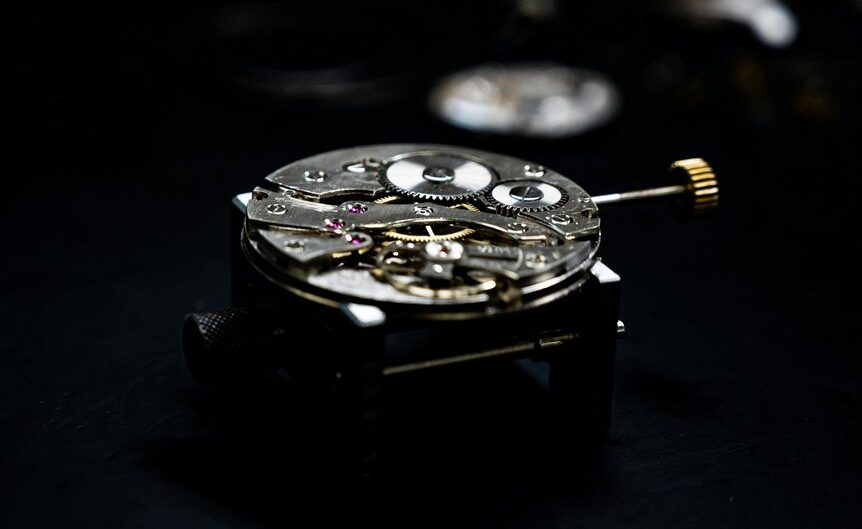
When it comes to automatic watches, you might wonder how they keep ticking without batteries. These timepieces are fascinating in their simplicity and engineering. By harnessing the energy of your wrist movement, they offer a self-sustaining solution for timekeeping. But what exactly happens inside the watch? Understanding the mechanism can enhance your appreciation. Let’s explore the inner workings and discover what makes these watches so special.
The Basics of Automatic Watches
Automatic watches, which harness the energy of your wrist’s movement, offer a fascinating blend of craftsmanship and convenience. These timepieces don’t require batteries; instead, they use a complex mechanism that winds itself as you move.
When you wear an automatic watch, a rotor inside spins, converting your motions into energy. This energy powers the watch’s intricate gears and keeps accurate time.
You’ll find that automatic watches come in various styles and designs, catering to different tastes. The craftsmanship involved in creating these watches reflects a rich heritage, making each piece unique.
Whether you’re a collector or a casual wearer, understanding the basics of automatic watches helps you appreciate their beauty and functionality. You’re not just wearing a watch; you’re wearing a piece of art.
The Movement: How Energy Is Generated
While you wear an automatic watch, the movement of your wrist triggers a rotor that spins within the case. This rotor is attached to the mainspring and plays a crucial role in energy generation.
As you move your wrist, the rotor pivots on its axis, harnessing kinetic energy from your motion. This energy winds the mainspring, which stores it for later use. The mainspring gradually releases this energy, powering the watch’s intricate mechanics.
Unlike quartz watches that rely on batteries, automatic watches convert your everyday movements into energy, ensuring they keep ticking without manual winding—provided you wear them regularly.
This self-sustaining mechanism is both efficient and environmentally friendly, making automatic watches a popular choice among enthusiasts.
Key Components of an Automatic Watch
At the heart of every automatic watch lies a series of intricate components that work together to keep time accurately.
Understanding these key parts helps you appreciate the craftsmanship involved.
- Escapement: Regulates the release of energy and ensures consistent ticking.
- Gear Train: Transmits energy from the mainspring to the hands, driving timekeeping.
- Balance Wheel: Acts like a pendulum, controlling the watch’s accuracy.
- Jewels: Synthetic rubies reduce friction and wear on moving parts, enhancing durability.
- Case: Protects the delicate inner workings, while showcasing the watch’s design.
Each component plays a vital role, making your automatic watch not just a timepiece, but a marvel of engineering and artistry.
The Role of the Rotor
The rotor plays a crucial role in powering your automatic watch, as it harnesses the motion of your wrist to wind the mainspring. This semi-circular weight pivots on a central axis, moving with even the slightest arm movement.
As you go about your day, the rotor spins and generates energy, which then transfers to the mainspring, storing power for when you’re not wearing it.
You’ll notice that the rotor is often visible through the watch’s case back, showcasing its intricate design. This clever mechanism eliminates the need for batteries, making automatic watches both eco-friendly and self-sufficient.
Maintenance and Care for Automatic Watches
Maintaining your automatic watch is essential for ensuring its longevity and optimal performance, especially since its intricate mechanics rely on regular care.
Here are some key tips to keep it ticking smoothly:
- Regular winding: Wind your watch if you haven’t worn it for a while to keep the movement lubricated.
- Routine cleaning: Gently clean the case and bracelet with a soft cloth to remove dirt and oils.
- Avoid extreme conditions: Keep your watch away from strong magnetic fields, extreme temperatures, and humidity.
- Service intervals: Get your watch serviced every 3-5 years to ensure all components function properly.
- Proper storage: Use a watch box or winder to protect it when not in use, maintaining its accuracy and condition.
Taking these steps will enhance your watch’s performance and lifespan.
Common Myths About Automatic Watches
Many watch enthusiasts believe in common myths surrounding automatic watches that can lead to misinformation and confusion.
One prevalent myth is that automatic watches are self-winding and never need manual winding. While they do wind automatically through movement, they can still benefit from occasional manual winding, especially if not worn regularly.
Another misconception is that they’re less accurate than quartz watches. In reality, high-quality automatics can be quite precise.
Additionally, some think automatic watches are fragile, but with proper care, they’re quite durable.
Lastly, many assume they’re only for luxury consumers, when in fact, there are plenty of affordable options available.
Understanding these myths can help you appreciate the true nature of automatic watches.
Choosing the Right Automatic Watch for You
How do you find the perfect automatic watch for your style and needs?
Start by considering your lifestyle and preferences. Look for a timepiece that not only tells time but also reflects who you are.
Here are some key factors to think about:
- Case Size: Choose a size that feels comfortable on your wrist.
- Dial Design: Opt for colors and styles that match your wardrobe.
- Material: Think about stainless steel, gold, or leather for the strap.
- Water Resistance: Ensure it fits your swimming or diving habits.
- Brand Reputation: Research brands known for quality and craftsmanship.
Conclusion
In summary, automatic watches blend intricate engineering with practical design, providing you with a reliable timepiece powered by your own movements. Imagine wearing a beautiful piece of art that not only tells time but also runs on the energy you create. By understanding their inner workings, you can appreciate the craftsmanship and enjoy the benefits of a watch that requires no batteries. So go ahead, choose an automatic watch that resonates with your style and lifestyle!