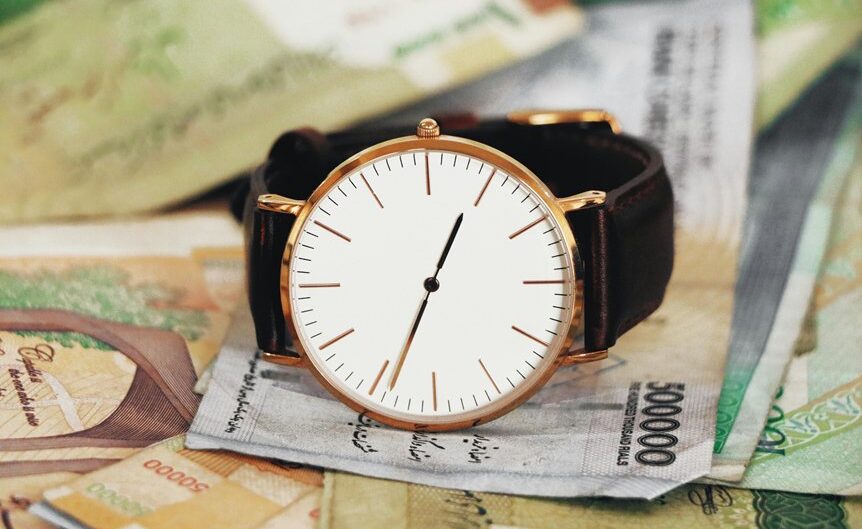
When you think about why watches are so expensive, it’s easy to overlook the layers of craftsmanship and materials involved. Each timepiece is a blend of artistry and engineering, often taking skilled artisans hours, if not days, to complete. But it’s not just about the labor; brand prestige and innovation play significant roles too. Curious about how these factors intertwine to shape the true cost? Let’s break it down.
Craftsmanship and Artisanal Skills
When you consider the price of a luxury watch, it’s often the craftsmanship and artisanal skills that stand out. Each timepiece is meticulously crafted by skilled artisans who pour years of training into their work.
They use traditional techniques passed down through generations, ensuring every watch is a masterpiece. You’ll find intricate movements, precisely engineered mechanisms, and detailed finishing that elevate these watches beyond mere time-telling devices.
The assembly often takes days, if not weeks, with each component being carefully inspected and adjusted. This dedication to perfection not only enhances the watch’s functionality but also adds to its aesthetic appeal.
Ultimately, you’re investing in a piece of art, showcasing the passion and expertise of those who created it.
Materials Used in Luxury Watches
Luxury watches not only embody exceptional craftsmanship but also feature high-quality materials that significantly contribute to their cost. You’ll find cases made from durable stainless steel, titanium, or precious metals like gold and platinum. These materials not only enhance the watch’s aesthetic appeal but also ensure longevity.
The dials often use sapphire crystal, providing scratch resistance and clarity, while leather or high-quality synthetic straps add comfort and style. Inside, intricate movements are crafted from premium alloys and often include components like jewels to reduce friction.
Each material choice is intentional, designed to enhance durability, functionality, and visual allure. Investing in a luxury watch means investing in superior materials that elevate its overall value and performance.
The Role of Brand Prestige
While you might find various watches appealing, the prestige of a brand often elevates a timepiece’s value far beyond its materials and craftsmanship.
Brands like Rolex, Patek Philippe, and Audemars Piguet have built legacies over decades, signifying not just quality, but a lifestyle and status.
When you wear a luxury watch from a renowned brand, you’re not just telling time; you’re making a statement. This allure drives demand, allowing brands to command higher prices.
Market perception plays a huge role—consumers often equate higher prices with superior quality and exclusivity.
As a result, brand prestige can significantly influence your decision, making that watch more than just a functional item; it becomes a symbol of success and sophistication.
Research and Development Costs
Research and development (R&D) costs play a crucial role in the pricing of high-end watches. When you invest in a luxury timepiece, you’re not just paying for the materials; you’re also funding the innovation behind it.
Brands spend significant resources on creating new technologies, refining movements, and enhancing durability. This includes rigorous testing and prototyping to ensure quality and performance. The more complex the design or mechanism, the higher the R&D costs, which directly impacts the final price.
Additionally, brands often collaborate with skilled artisans and engineers, further elevating these expenses. Ultimately, you’re paying for the expertise and creativity that go into crafting a watch that stands apart in both function and style.
Limited Editions and Exclusivity
High-end watch brands often release limited edition models that significantly influence their pricing. These exclusive pieces are designed to attract collectors and enthusiasts, creating a sense of urgency and desirability.
When you see a limited edition, you’re not just purchasing a watch; you’re investing in a piece of art that embodies craftsmanship and uniqueness. The rarity of these models means that brands can command higher prices, reflecting their exclusivity.
Moreover, the stories behind these limited editions—like collaborations or commemorative designs—add to their allure. As a buyer, you’re drawn to the idea of owning something that few others have, which often justifies the premium price tag.
It’s all about the emotional value tied to exclusivity.
Market Demand and Resale Value
How does market demand shape the pricing of luxury watches?
When you’re considering a luxury watch, you’ll notice that demand significantly influences its price. High demand often leads to increased prices, especially for limited editions or iconic models. If everyone wants a particular watch, sellers can charge more, knowing buyers are willing to pay a premium.
Moreover, resale value plays a crucial role in this equation. If a watch maintains or even increases its value over time, it becomes more desirable.
You might find that brands with strong reputations and proven track records yield higher resale prices. So, when you invest in a luxury watch, you’re not just buying a timepiece; you’re also making a statement about value and market perception.
Conclusion
In the world of watches, you’re not just buying time; you’re investing in a piece of art, a symbol of status, and a slice of history. Each tick of a luxury watch reflects the passion and precision of skilled artisans, crafted from materials that sparkle like dreams. With the allure of exclusivity and brand prestige, these timepieces become treasures that appreciate with time, reminding you that true value often lies beneath the surface, waiting to be discovered.